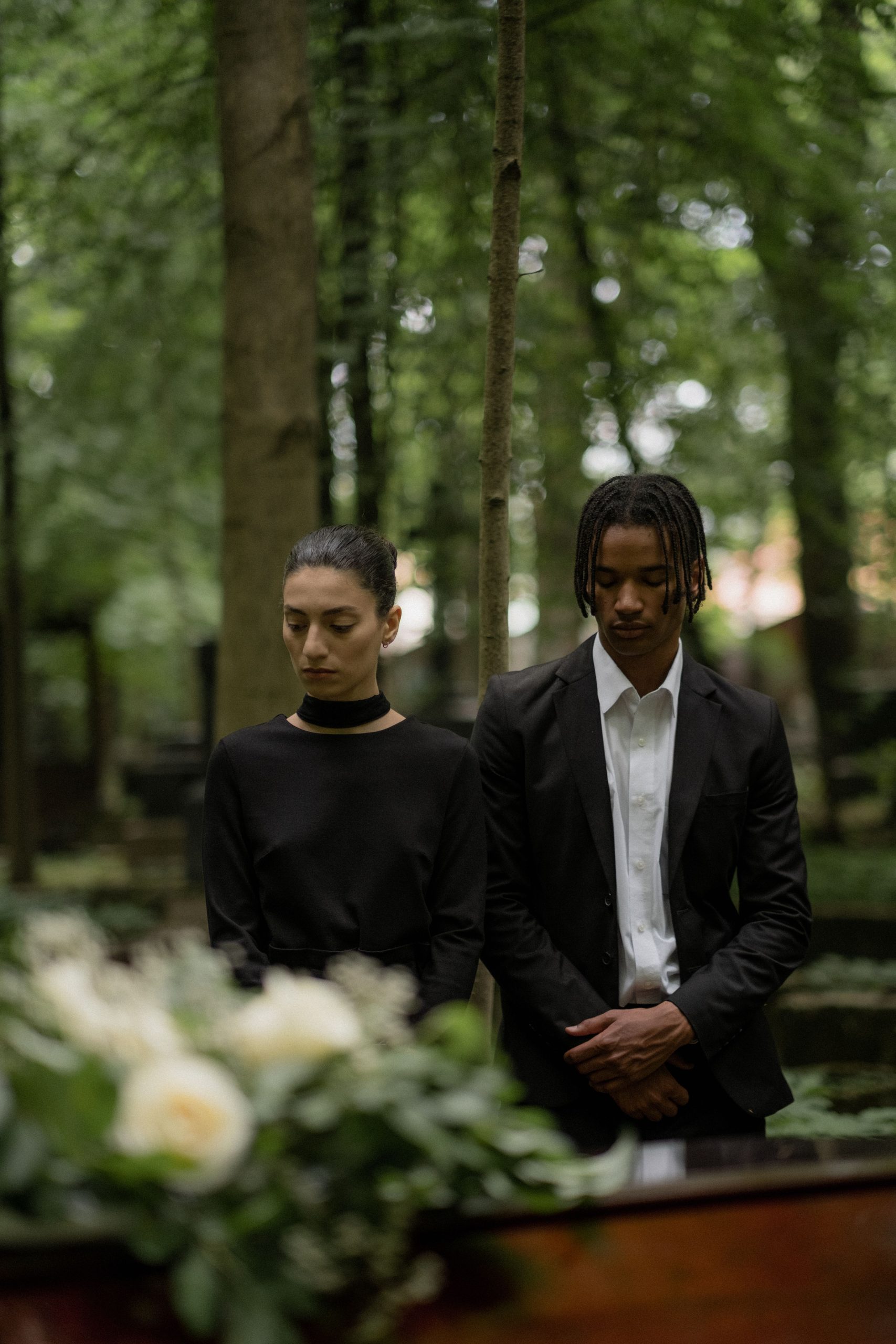
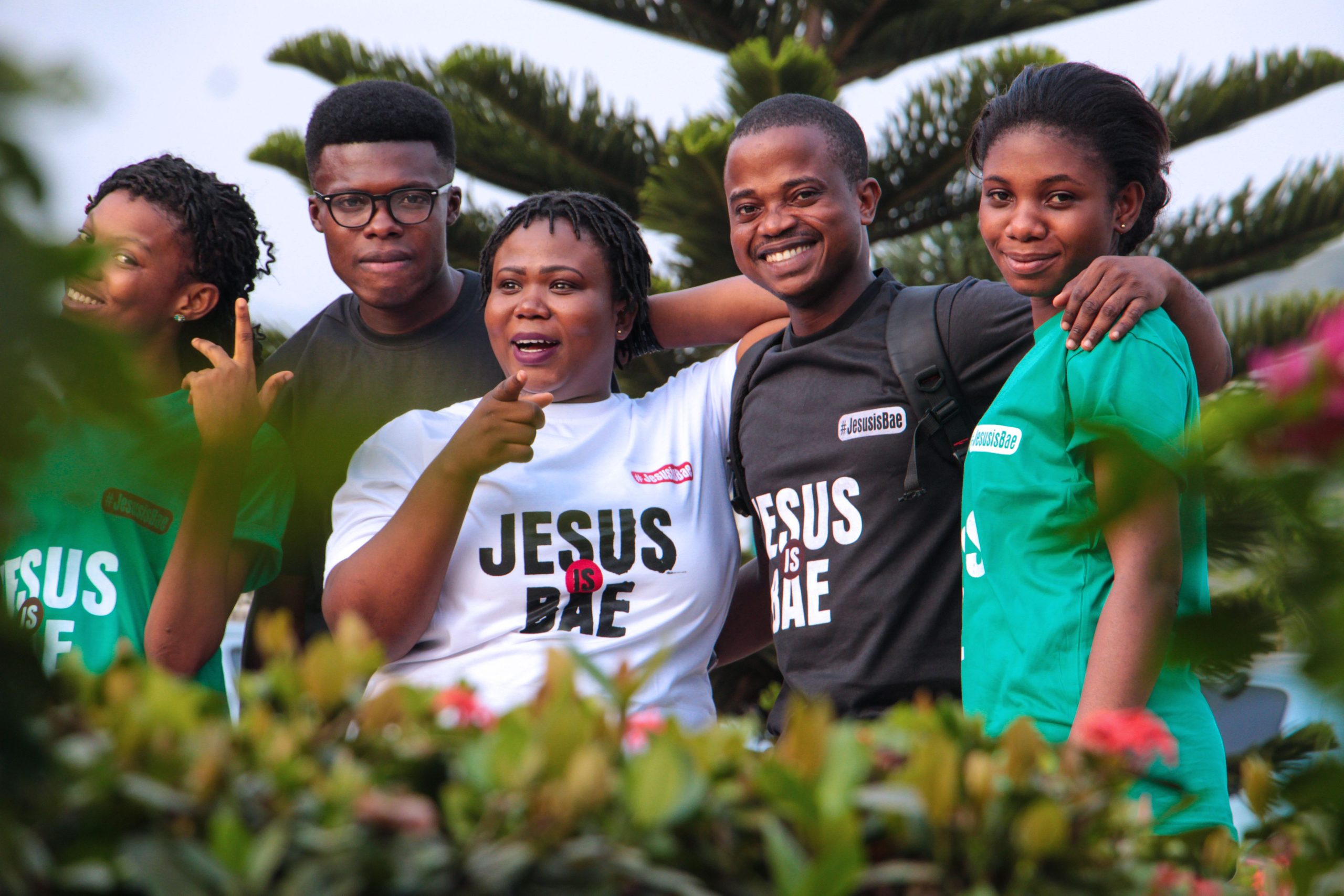
Like they say ‘once an Anglican, always an Anglican,’ right? I agree 100%.
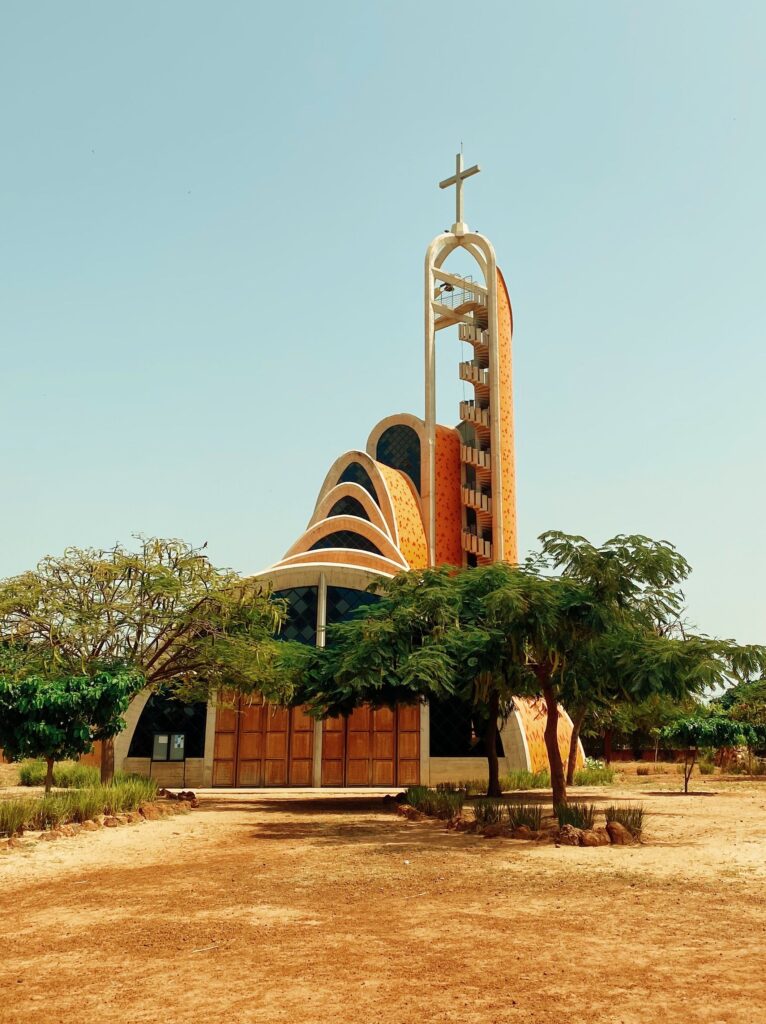
Photo by Jules Germain Formel
See, I grew up Anglican, was baptized there too (though I once dodged confirmation classes,) partly because my adolescence hormones were racing faster than my wisdom. I hope the folks at my first church, St. Apollo Kivebulaya-Namasuba, will one day forgive their long-lost son (hopefully I’ve not turned out too bad, either).
See, at that time, a neighborhood Pentecostal church lured me; they had a bigger sound system, and (once in a while) the pastor opened up about his ‘love life,’ you see.
See, in this new “fire-spitting, tongue-speaking” denomination, no one wore purple robes; they even organized “something for the youth” on weekends and holidays. The music there utilized my adolescent energy too.
In fact, some congregants wearing torn jeans sat in the pews with me. Once in a while too, as if icing on cake, the guy in the youth service didn’t sound so different from my favorite deejay the Saturday night before.
This was the late 2000s.
Then I got to university, and another flamboyant pastor took it to another level; he “sprinkled” scripture on his talks and also wrapped his arm around me when my first girlfriend left. Ah! But he didn’t deepen me in God’s word either. Hype still overcame my hunger for God.
So in between these, my spiritual meanderings, I once in a while visited my childhood Kivebulaya Church (as the Christmas Day tradition often goes), but instead I realized the ‘fundraising session’ took longer than the preached word.
Whoa! Now spiritually starving, I soon was eager to return to my “better shallows.”
Yet my newfound Pentecostal “refuge” was no longer spiritually refreshing; unlike the Anglicans, my newfound “fire-spitting” charismatic friends had not relegated themselves to only “reciting the word,” but neither were they faithfully preaching it; they’d exchanged the word anyway for deliverance experiences, prosperity teachings, hype, legalism, demon obsession, and miracle healings.
Meanwhile, all the other new Pentecostal preachers on the scene kept inviting young crowds away from their parent’s Anglican heritage, often demonizing it as “mere religion.” “lacking the Spirit,” and “too formal.”
Today, ironically, you may even be tempted to say the current Anglican Church instead “has a crush” on the Pentecostal church, some Church of Uganda services that once focused on God’s word now only recite it, while many others are designed to honor and hobnob with politicians and the rich. Meanwhile, backdoor, euphoric nights of prayer and prosperity gospel vibes keep sneaking in.
In some Church of Uganda circles, the teaching has swung to the other extreme. God’s word is often present, but plastic. The Anglican tradition once (historically based on the sound Christian heritage of the Reformation and men like Thomas Cranmer, the 39 articles, common book of prayer, etc.) has now settled for motivational preaching and anointing/healing/deliverance obsessions.
Listen, I am not getting into a denominational war here; this is about how Christ and his (now disappearing) word—generally speaking—has left the center in the Church of Uganda, arguably the most influential and theologically rich. Yet ignoring the word also means we’ve ignored the word “became flesh,” Jesus, which is not only disturbing but also explains where our great institution is.
Good thing we have some biblical examples to remain warned of: the Pharisees were tempted by tradition as Christ walked among them, the Galatians forgot the gospel for circumcision, and the Colossians focused on holy feasts and days, exchanging substance for shadows.
What’s at risk (if our Anglican communion is willing to listen) is the centrality of God’s word, rightly interpreted and applied historically, theologically, grammatically, and relevantly.

Image: Ada Mbita/Pexels
Forget the perennial building projects, and invest in discipleship; forget increasing the PA system during youth services; and increase biblical teaching. Forget mimicking miracle nights, and focus on the supernatural miracle of new birth and conversion.
Brothers, let’s not only grow jittery that our young people are being ‘swept away’ by the excitement of random fellowships like Phaneroo, Zoe, and what not.
Let’s return to what has sustained the church through the ages; let’s return to what will preserve future generations from now, when hype, hormones, and vibes are long gone. God’s sufficient word was faithfully preached Sunday in Sunday out, for that is why the church exists.
Sometimes I’m even afraid we are known for our ‘presidential envelope-eager’ bishops, plus our global stand against homosexuality (read GAFCON), more than for rightly exulting Christ through the preached word? Rightly so, we make press statements against Cantebury when they stray, but do we pay attention to what’s ‘boiling uncovered’ in-house?
By grace this can change; it should! I pray it does.
From Nakasero, Ntinda, Namirembe to the Anglican Church near you, every Anglican location I know is already stewarding a prime property with glorious architecture in a missionally-ripe area. What would it look like if those vanished bricks & pulpits shut down their attraction to hyper-charismatic and prosperity teachings, Bishop politics, unbiblical female ordinations, and veneration of ‘important’ people and taught the scriptures seriously again? Jesus, not me, is asking.
Because his word is where he is, ‘feed my sheep’ (John 17:21) is what he told Peter, not once, but three times. That’s how anyone is spiritually built; that’s how immunity against false teaching is built too.
Now in my 40s, I’ve tasted this firsthand. I’m both humbled and privileged to be part of a local church that (for all its imperfections) is currently prioritizing discipleship through one-on-one Bible reading and regular Bible exposition on the pulpit first.
Every Sunday God’s word is opened and proclaimed, without special effects and special seats for important people, meandering storytelling, and dominant fundraisers and demon chasing, healings, and deliverance—heartes are quietly transformed like the overnight plant Jesus once talked about, in reference to what the kingdom of God is like.
See, I am already feeling very positive now. What would it look like if our Anglican fold in Uganda returned to these basics? Who knows, maybe the next generation of adolescents will not spiritually meander like I did.
And maybe I would reconsider attending my dear St. Apollo Kivebulaya in Namasuba again, not merely on Christmas Day!
Lord help!