Someone in my news feed the other day suggested the word “oh” in Uganda’s anthem be replaced by “Banange!”
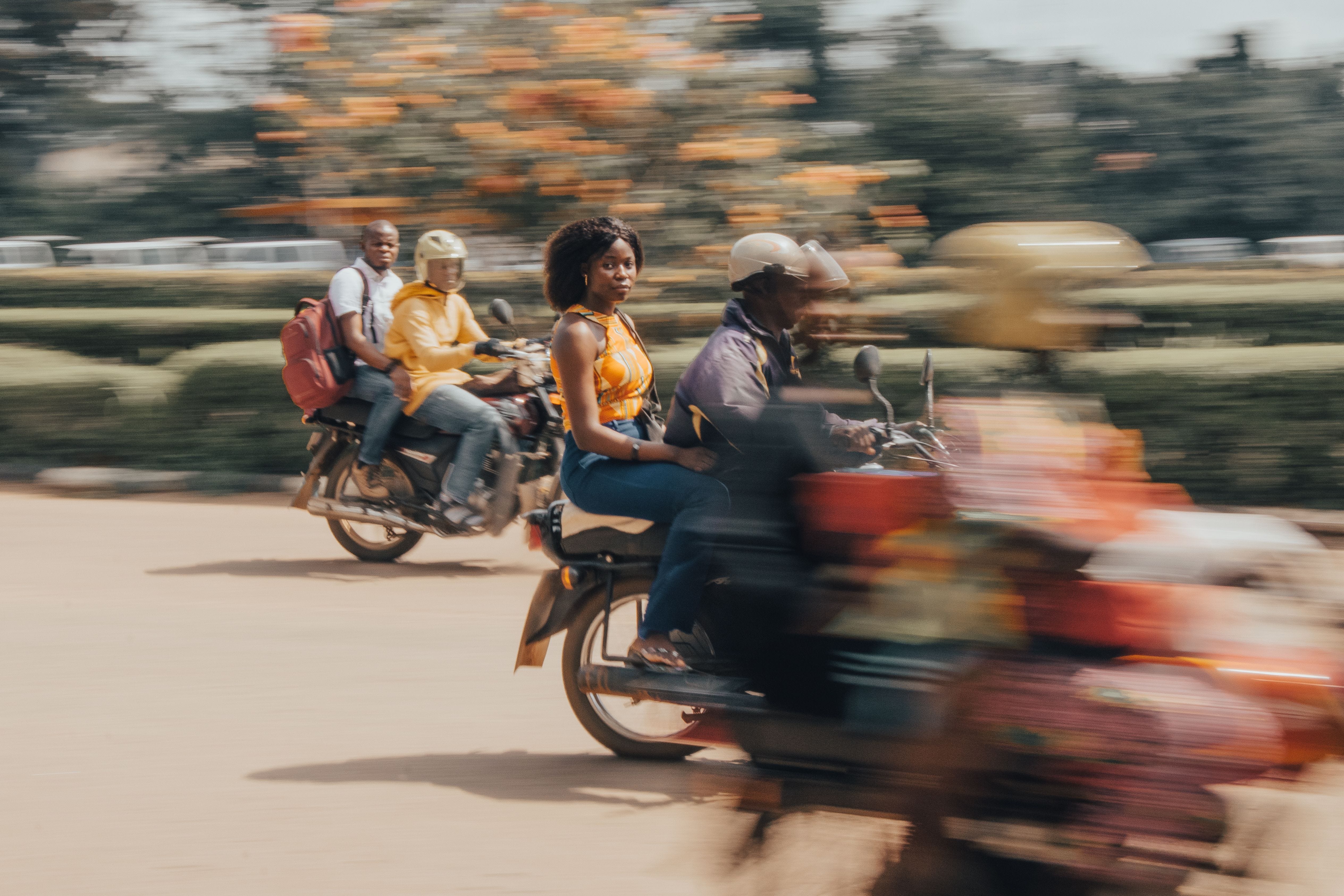
Image: Adedire Abiodun/pexels
I laughed it off, yet there are people in this country (even Christians) whose morning joy and evening delight depend on the state of the nation; they may not say it loud and may post “Uganda enyuma/Zaabu” or “Uganda Olemwa” memes, but deep down, their joy is always rooted in “what’s happening out there.”
And true, when you can’t see your salary because of high taxes, or if bread (not just “bride”) prices threaten your willingness to marry, or if you load Yaka every three days, the realities of doing life in a third-world context can press the nerve.
Uganda itself has the potential to keep supplying bad news; one week you have UEDCL ensuring “electricity returns before it goes,” while that same night, a video of legislators flirting in Parliament circulates.
Meanwhile, a total of 218 ICU beds are estimated to be available for all of us, 53 million potential patriots nationwide.
As if it’s not enough, one of those days, a new Ebola case pops somewhere in this big world and is quickly identified with a traveling Ugandan. Chei! Abductions rise, tied to the first son, who’s also happens to be seeking our political affection, come 2031. Why wouldn’t a Christian soul cry, “Banange?”
It’s just understandable for people made in God’s image to groan against oppression, injustice, and extreme poverty. But also, redeemed people like us are called to orient our minds to the things above, not because we are ostriches burying heads in the sand’, but because we are like Asaph the Psalmist, pondering the God’s ends in failing and fallen society.
I mean, it’s good advice to listen to a man like him who starts speaking with a conclusion before he explains the problem. Listen to him in Psalm 73.
“Surely God is good to Israel..” (v1) “Yet he seemed to have a cry, ‘But for me I almost stumbled.” (v2) He gives his reasons why.
In other words, God is good to his covenant people, but eh,
Reason one: he was envious of the arrogant, “when I saw the prosperity of the wicked” (v3). Hmh, social inequality got to him; those who feared God little, had much.
Isn’t it in Uganda too? Aren’t the vulnerable tossed in courts, chased off lands, and don’t bribes pervert the course of justice? Which lawyer or traffic guy did you last deal with?
Of course, many are doing their best, thank God, but what’s the pattern? “Omugaga ssi muntu,” haven’t you heard the saying? Do you understand how badly that statement can be stretched?
Anyways, Asaph then describes the wicked whose bodies are fat (v5); they look unstricken by common human problems, pride their necklace (v6), and increase in riches; they speak with malice, threatening oppression, until they cause the masses to question and despair (v11).
You’ve got to feel for him; his faith now hangs in balance, the “counsel of the wicked” (Psalm 1) seems almost too loud in his life, he almost loses it, he even grows weary of doing good (v13, 16).
Yet in verse 17, he swiftly takes on God’s perspective of things, wherein he gains true revelation. “Until I discerned their end.”
Now fresh into this eternal perspective, he immediately confesses, that his former worldliness was silly “animal-like, brutish” (v22).
He’d only assessed things socially, not in light of God, who says, “The earth is the Lord’s.” (Psalm 24:1) He’d let the politics of the wicked blind him to God’s plan to redeem the world and build his kingdom through his covenant people across history, no matter which prince is reigning, rather, barking.
If he were Ugandan, we’d say he’d refreshed the daily news feed a little too frequently, and he’d turned on the news bulletin more than he memorized scripture. The week’s trends carried him away from the one life he’d been called to live. Who knows, maybe that’s why the high prices got to his heart.
But what changed everything was his sight of God’s purposes, God’s eternal designs, in the end. The God who “lifts and puts down.” (Ps 75:6-7)
Uganda is a nation only 64 years old, under God, who exists outside time, the same God who has put us in these national “boundaries for a reason, to honor him.” (Acts 17:26)
He’s placed us here to glorify him despite the late-night political commentary, the election, the fuel signs, and the latest hashtag.
Sure, it’s Caesar’s name on the shilling, but we must live out of God’s economy; we must pray for our leaders, with an eye on eternity, always.
Undercover presidential succession plans, or commodity prices, shouldn’t derail us from staying devoted to God, who also calls himself Omega, the end. As Asaph learned.
So as another pothole sends us to the garage, or another epidemic weighs, we must recall, obeying our leaders while keeping an eye on Christ (who said little about Rome) is our ultimate anchor and hope. Tomorrow is for waking up to this good news again and again, not just the latest news statistic.
It was said here of the early church Christians, under Roman tyranny then, for example
Christians are no different from the rest in their nationality, language, or customs. . . . They live in their own countries but as sojourners. They fulfill all their duties as citizens, but they suffer as foreigners. They find their homeland wherever they are, but their homeland is not in any one place. . . They are in the flesh, but do not live according to the flesh. They live on earth but are citizens of heaven. They obey all laws, but they live at a level higher than that required by law. They love all, but all persecute them.
God has made us for himself; no political party can satisfy that, and no election can atone for our sins. Our welfare is ultimately determined by Jehovah, our provider, not the dollar rate. Uganda is probably too despairing for you, because God is not yet ultimate for you.
Meanwhile, notice how Asaph ends, “But as for me, its good to be near the Lord.” (Ps 73:28)
So ye who call on the Lord’s name, let us wake up vigorous tomorrow and go put in the hours, resisting the bribe, and trashing our environment less. Let us drop off the kids, smear their bread, and send the emails, with our ear tuned to eternal song, more than economic projections, parliamentary drama, or X trends.
For indeed, (and Banange!) Uganda is too weak to carry the weight of your salvation!