
The other day, in the middle of my workday, someone’s trouble sprang up somewhere in my inbox: a family falling apart, a disillusioned father whose children now cringe when he picks up the microphone during family functions; they can no longer recognise the person he’s becoming.
I will save you the details, but in short, it was one of those stories you go like, “Man, people are going through things.” Ironically, some aspect of the story was someone wondering why a Christian should be suffering like this.
My heart sank, not much because someone was asking ‘why Christians suffer,’ but because their pain was incomprehensible—your own children shunning you because of the lemons life has given you. Even as a dad myself, I needed to let that sink in first, out of empathy.
Yet something else kept distracting me.
I juggled the sudden pain that had just arrived with some keyboard taps, thumbed some World Cup highlights, plus some Instagram in between. I grieved, yes, but not quite, and it happens every time; when sorrow wants to sink, I swipe, removing myself from the world I don’t want. Yeah, I am a Christian, and my saviour was “acquainted with grief,” but
See, we sometimes all get online after some private wave has hit us bad, and sometimes “logging in” feels like therapy because online, you have a choice to add filters and edit your life before a watching world, but in the background, and sometimes just behind your chair, offline life is falling apart!
An entire hospital visit may pass you by as you scroll through “tomorrow’s items” instead of asking a spiritual question to a bedridden friend. Rather than noticing the weary faces of people returning from work and remembering to pray for a similar friend looking for work, traffic jam could become an opportunity for you to once more “scan through those emails.”
In fact, your spouse could be giving you the silent treatment for the second day in a row, yet your WhatsApp status hasn’t rested for a whole month. Your engagement could be falling apart on the day you are starting a new job; your feelings about another job application rejection could get buried underneath your recent motivating LinkedIn post. Let’s be honest, sometimes life breaks us at 100 km per hour, and every time it does, swiping seems to suggest we hide in the sand of TikTok taps (or, since we are serious people here, attaching files to Gmail).

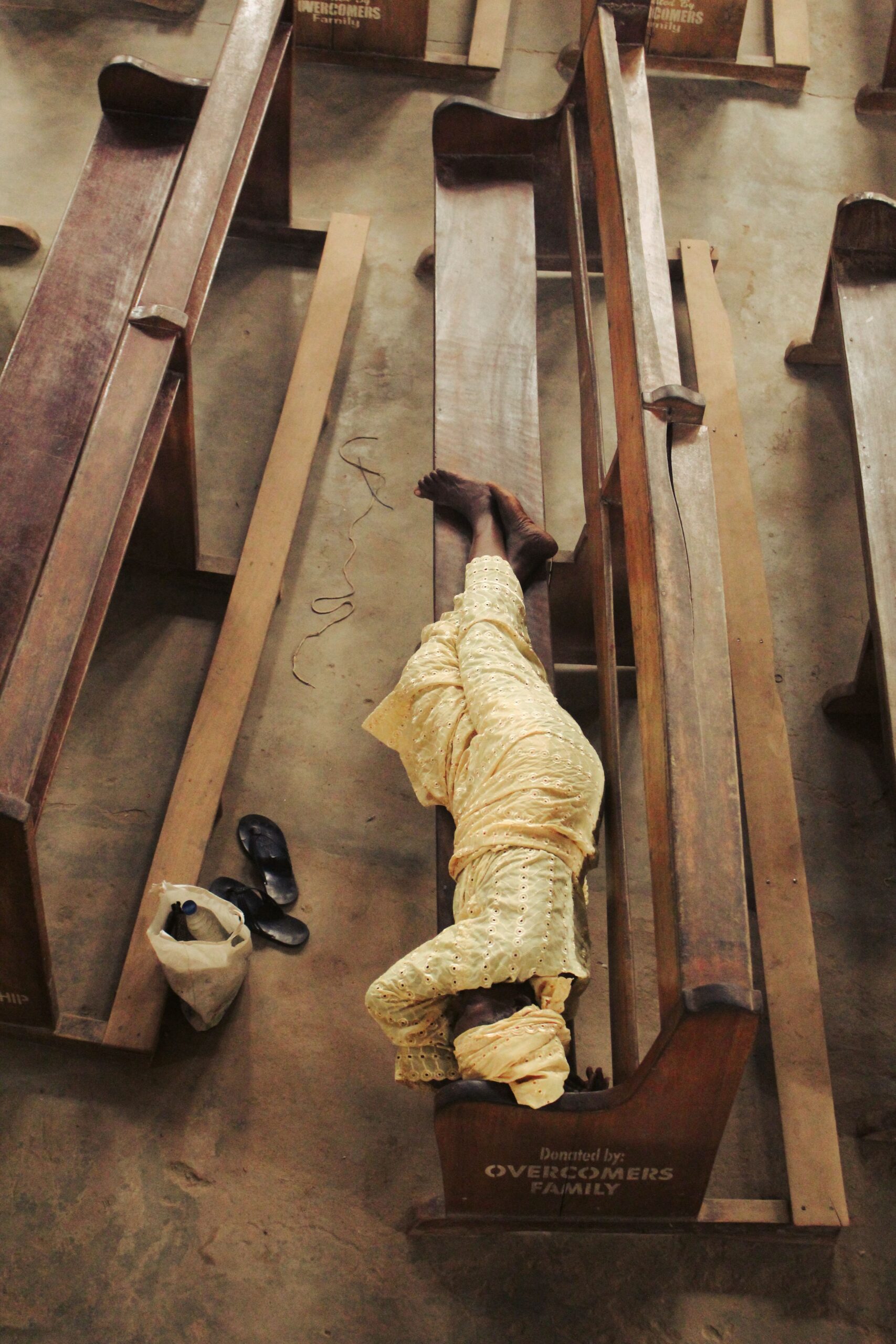
Image: IamJumasaada/pexels
From the psalmist to the Apostles, those who follow God understand that seeing the world as it is is always the first step towards redemption. David said in Psalm 32:3 that if he had been dishonest about his sin and brokenness, his body would have wasted away. Paul, too, pleaded three times for his thorn to be taken away (2 Cor 12:8). He still called it by no other name than “a thorn!”
God’s people never quickly move on from the pain caused by their sin or by others. They sit in it, looking to God, not swiping. In fact, author Tim Keller used to say,
“People who haven’t suffered tend to have a shallow view of life.”
I agree.
After several chapters of hearing presumptions about God from his friends about his suffering, Job concluded, “My ears had heard of You, but now my eyes have seen You” (Job 42:5)—his knowledge of God deepened with more wrestling, not winding.
Just the other day, I saw a post in my newsfeed that I followed up on, only to realise the deceased being announced was exactly my age; she had died from long-standing kidney complications, yet here I was with my two kidneys, just taking bathroom breaks from more phone notifications day in, day out.
In that moment, shallow scrolling kept me from the weight of meditating on the inevitable suffering life and death bring.
I’d chosen the shallows, and now, every day, instead of slowing down to wrestle with the idea that today may be my last, that (God help) the body on this boda boda may end up being the body they are looking for in a mortuary this evening, I scroll on to the next Grammy Award post, the song, and the sensation.
See, even the writer of Ecclesiastes, far wiser about life than us, tells us it’s better to go to the house of mourning rather than to the house of joy. (7:2) He later says, “Man knows not his time” (9:12). He’d learned a lesson we often hide underneath our doomscrolling: life is for rent, and you never exactly know when the landlord is arriving.
Tragedy and delight tend to mix in our social media diets, so it takes a man who is familiar with Job and Paul and Jesus’s world and words to stop and think long and hard about how suddenly a heartbeat could be lost and how we are mere breaths, flowers quickly fading. Here today, gone tomorrow, (Is 40:6-8)
Lord, teach us to number our days aright so that we may gain a heart of wisdom, not just for this passing world but for the world to come. Remind us to beware how swiping may keep us from suffering—well, not that suffering is good, but that this suffering we often see has value.
No matter how much internet data you have, it takes a certain grace to ponder how temporary life is.
What pains are you swiping away from lately? What personal grief did you last bury online? What have you recently rushed from? What if your Saviour, a man of sorrows, acquainted with grief (Is 53:3), wants you to grapple with what you keep swiping away from every day?


Eddie, this is immensely thought provoking. Thank you as always for sharing these gems with us. May God bless you!